
PRAGMATA Beginner Tips You Need to Know Before You Start Playing
PRAGMATA is one of the most anticipated sci-fi adventure games, blending futuristic exploration, strategy, and immersive storytelling. For new players, the game can feel mysterious and complex at first, but with the right approach, your journey becomes much smoother and more enjoyable.
If you’re just getting started, these beginner tips will help you understand the core mechanics, avoid common mistakes, and make the most out of your early gameplay experience.
Time to Understand the Game World
PRAGMATA is built around exploration and discovery. Instead of rushing forward, spend time observing your environment. Many important clues, systems, and interactive elements are hidden in plain sight. Learning how the world reacts to your actions will give you a big advantage later.
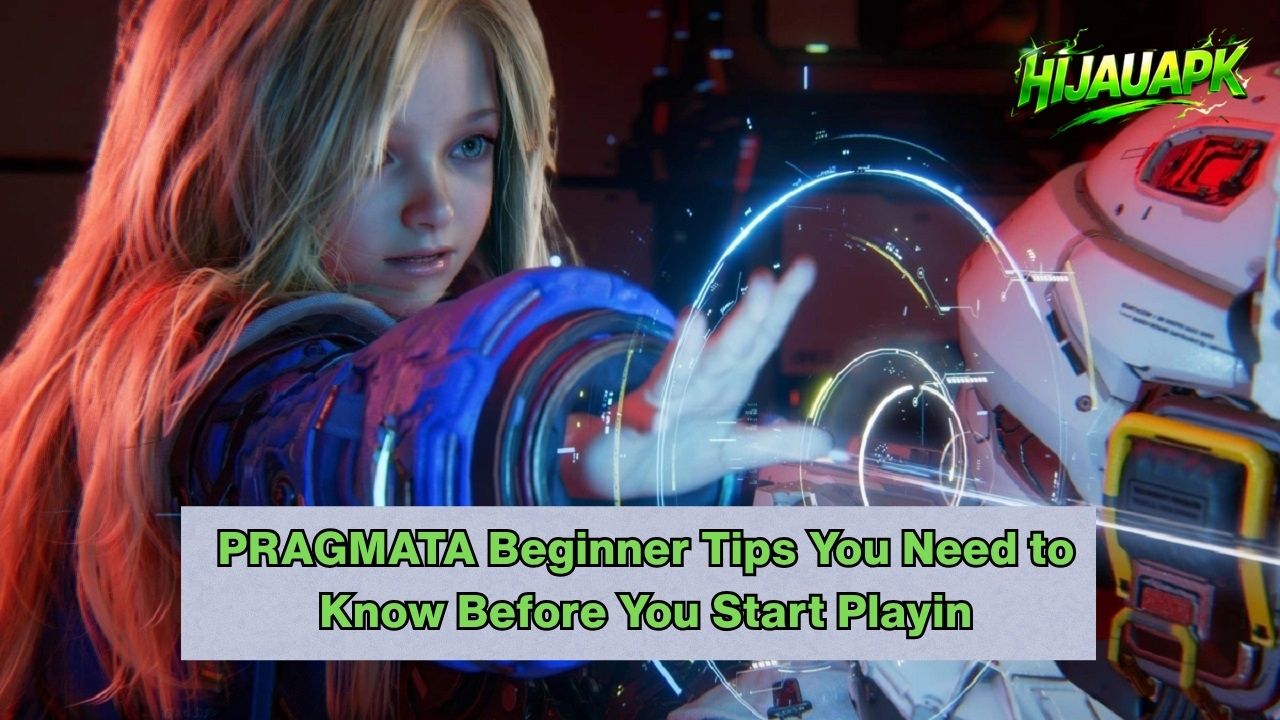
Pay Attention to the Companion System
One of the most unique features in PRAGMATA is the interaction between characters and AI companions. These companions often assist with navigation, problem-solving, or unlocking paths.
Make sure you:
- Follow companion hints carefully
- Observe how they react to environments
- Use their guidance during puzzles or complex areas
Ignoring this system can make progression much harder than it needs to be.
Learn the Basic Movement First
Before focusing on missions or challenges, get comfortable with movement mechanics. Smooth movement is essential in PRAGMATA, especially in exploration-heavy areas.
Practice:
- Camera control sensitivity
- Jumping and traversal timing
- Interaction with objects in the environment
Mastering movement early will help you avoid frustration later.
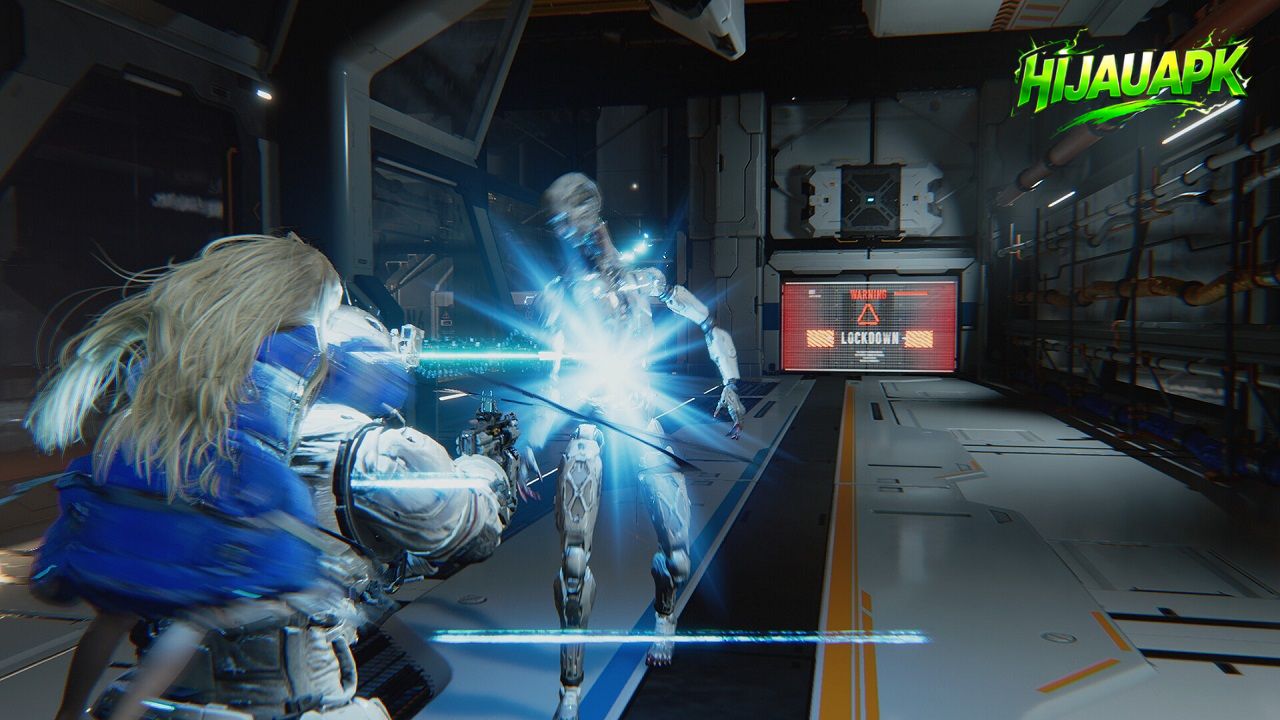
Explore Every Corner You Find
PRAGMATA rewards curiosity. Hidden paths, optional interactions, and environmental storytelling often lead to useful insights or upgrades.
A good rule of thumb:
If you can explore it, go check it.
Even small detours can help you understand the story better and improve your overall experience.
Don’t Rush Through Story Sections
The narrative in PRAGMATA is designed to be immersive. Rushing through dialogue or skipping cutscenes may cause you to miss important context.
Take your time to:
- Read dialogues carefully
- Observe character interactions
- Understand mission objectives fully
This will make the game world feel richer and more meaningful.

Pay Attention to Environmental Clues
The game often uses visual storytelling instead of direct instructions. That means you’ll need to interpret your surroundings.
Look for:
- Light patterns or directional hints
- Unusual objects or symbols
- Changes in environment layout
These subtle clues often guide you to the next step without explicit instructions.
Experiment with Interactions
PRAGMATA encourages experimentation. Many puzzles or obstacles can be solved in multiple ways, depending on how you interact with the environment.
Try different approaches:
- Interact with objects in various order
- Observe how systems respond
- Test companion assistance in different situations
There’s rarely only one solution.
Manage Your Progress Slowly and Steadily
Instead of trying to rush progression, focus on steady improvement. Learning mechanics step-by-step ensures you don’t get overwhelmed.
A balanced approach includes:
- Exploring
- Understanding mechanics
- Completing objectives gradually
This helps build confidence as you advance deeper into the game.
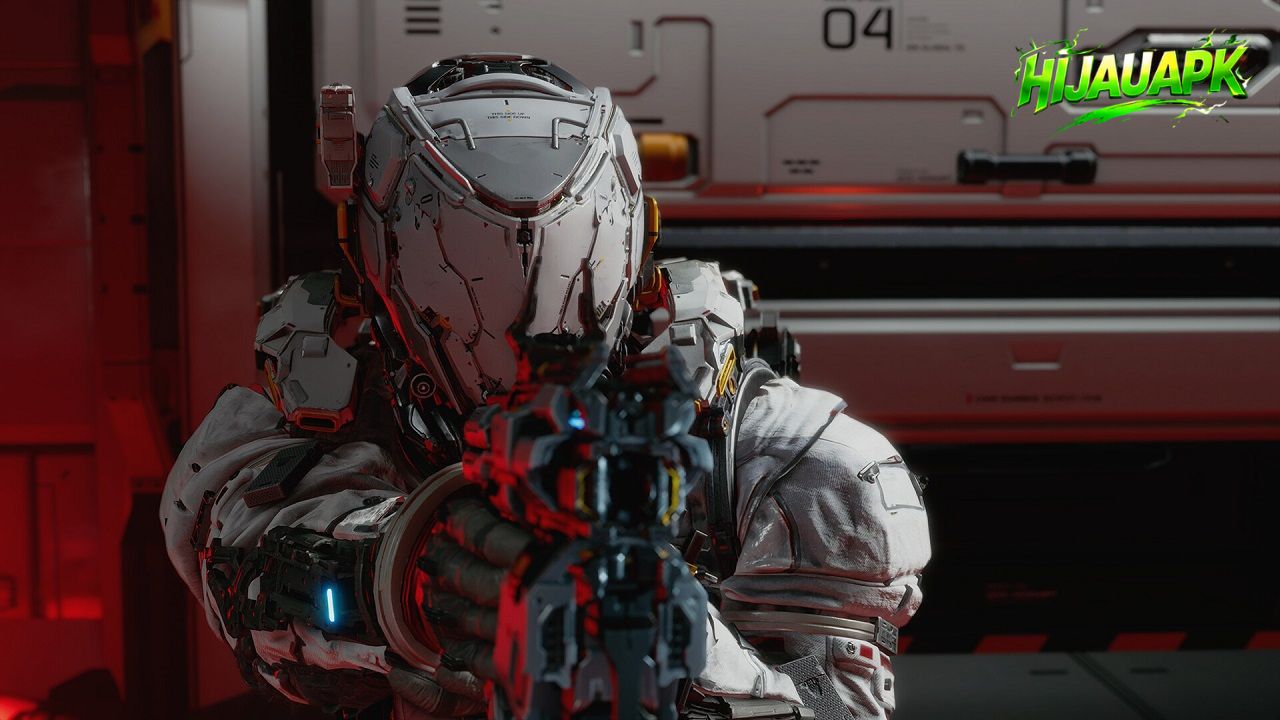
Stay Observant During Transitions
When moving between areas or story phases, PRAGMATA often introduces new mechanics or subtle changes. Pay attention during these transitions, as they usually prepare you for upcoming challenges.
Missing these details can make later sections feel confusing.
Enjoy the Atmosphere
Beyond mechanics and strategy, PRAGMATA is designed to deliver a strong atmosphere and emotional experience. Don’t focus only on “winning” or progressing quickly.
Take time to:
- Absorb the sci-fi world design
- Appreciate visual storytelling
- Enjoy the pacing of exploration
This is where the game truly shines.
Final Thoughts
Starting PRAGMATA can feel overwhelming, but once you understand its rhythm, it becomes an engaging and rewarding experience. Focus on exploration, learn how systems interact, and take your time to enjoy the journey.


